Activation furnaces and complete activated carbon production lines — 0.5 to 3 t/h
Continuous steam-activation rotary kilns, 0.5–3 t/h of finished carbon per line, holding 950–1,100 mg/g iodine value shift after shift. Buy the furnace on its own or the whole line from carbonization to packing — sized from your raw material and daily tonnage, not from a catalogue page.
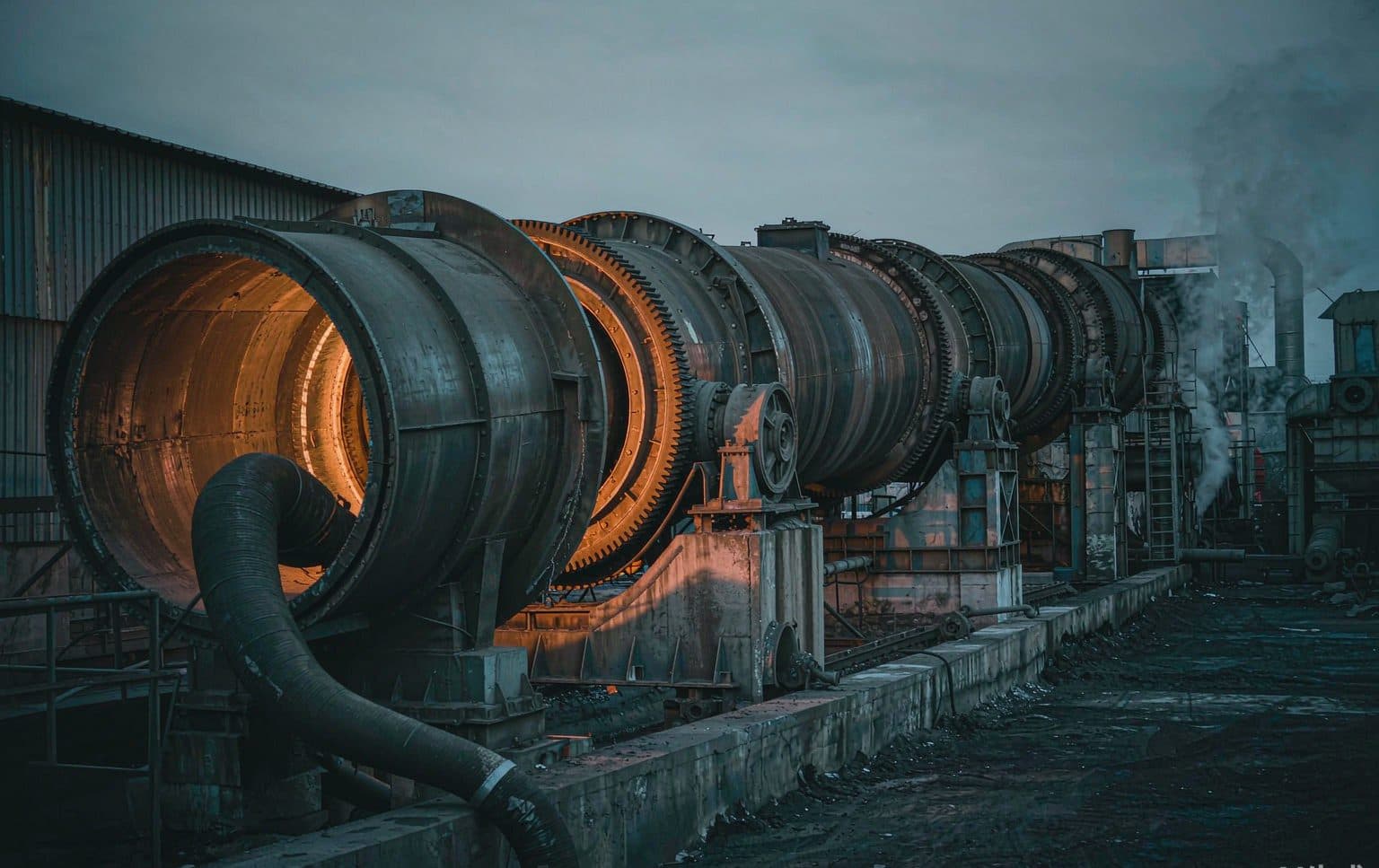
Three shells, three different lines
Yield, ash and residence time differ enough that the same furnace cannot be quoted twice. Pick the material you actually have — the page shows the mass balance before the price.
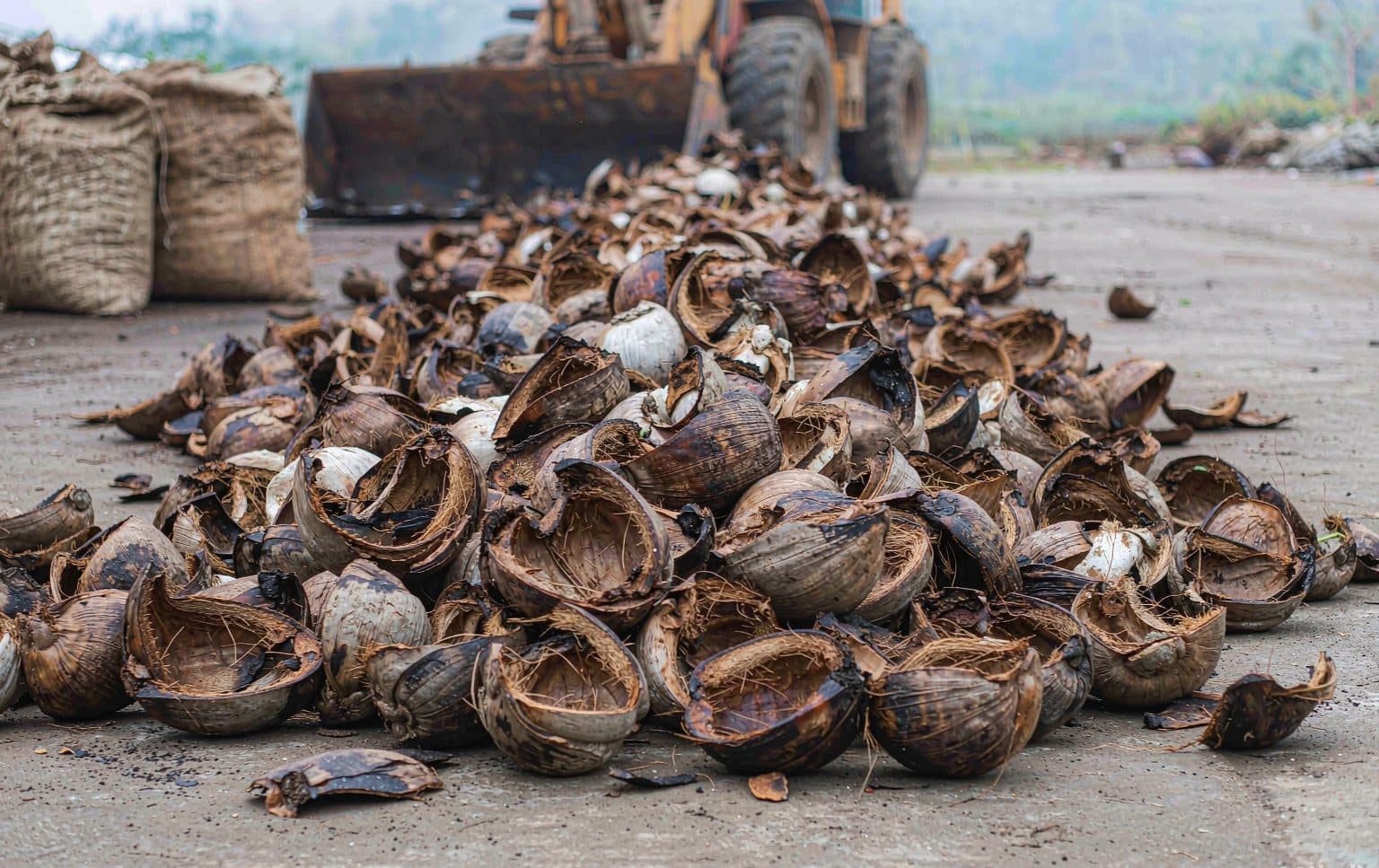
Coconut shell activated carbon line
The highest-yield shell feedstock we build for. One tonne of finished carbon takes 5.0–5.5 tonnes of raw shell, and the line that does it is sized on char, not on shell.
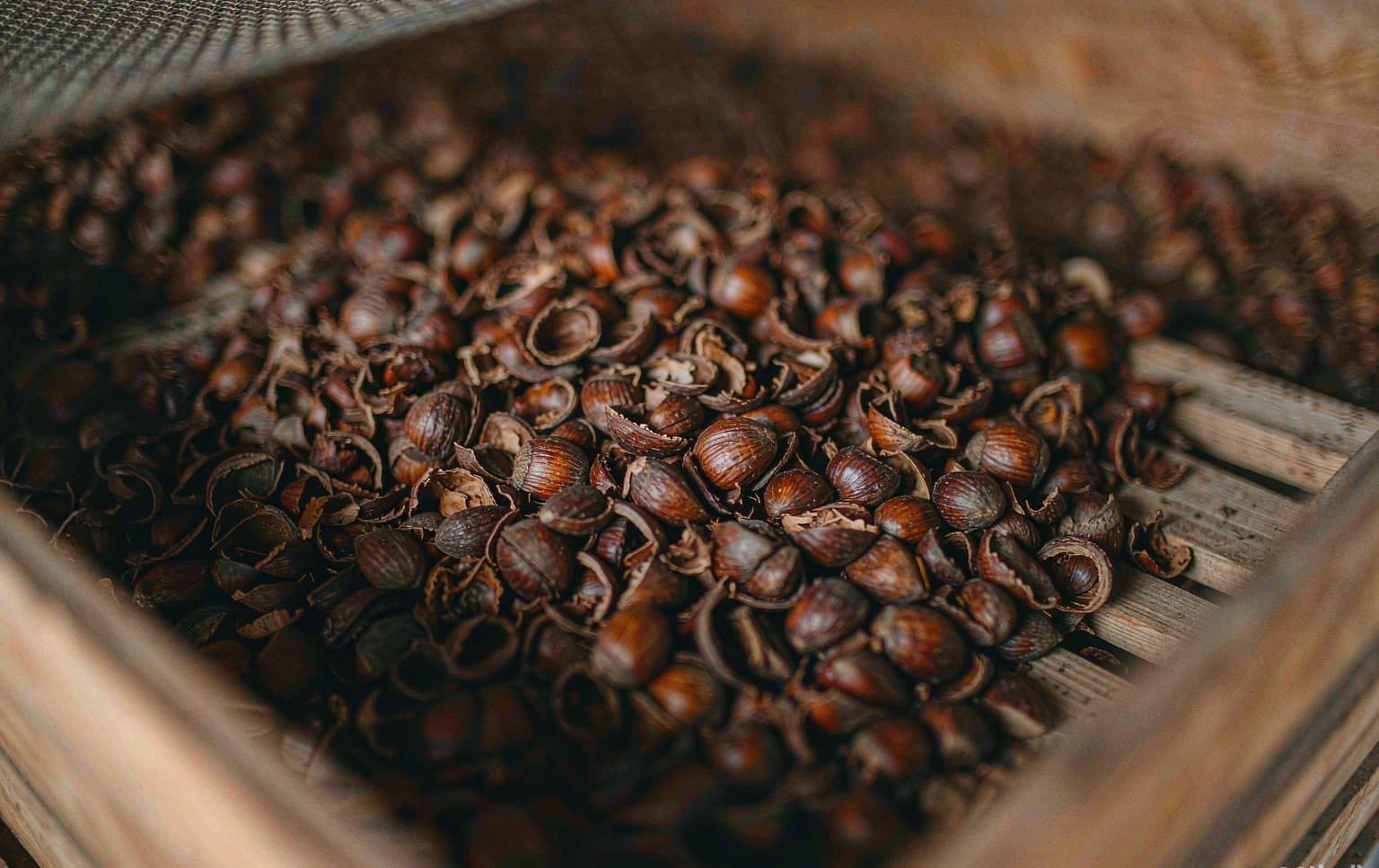
Hazelnut shell activated carbon line
Lower yield than coconut, but a real feedstock where hazelnut processing already concentrates the shell. Here is the mass balance before you commit to a kiln size.
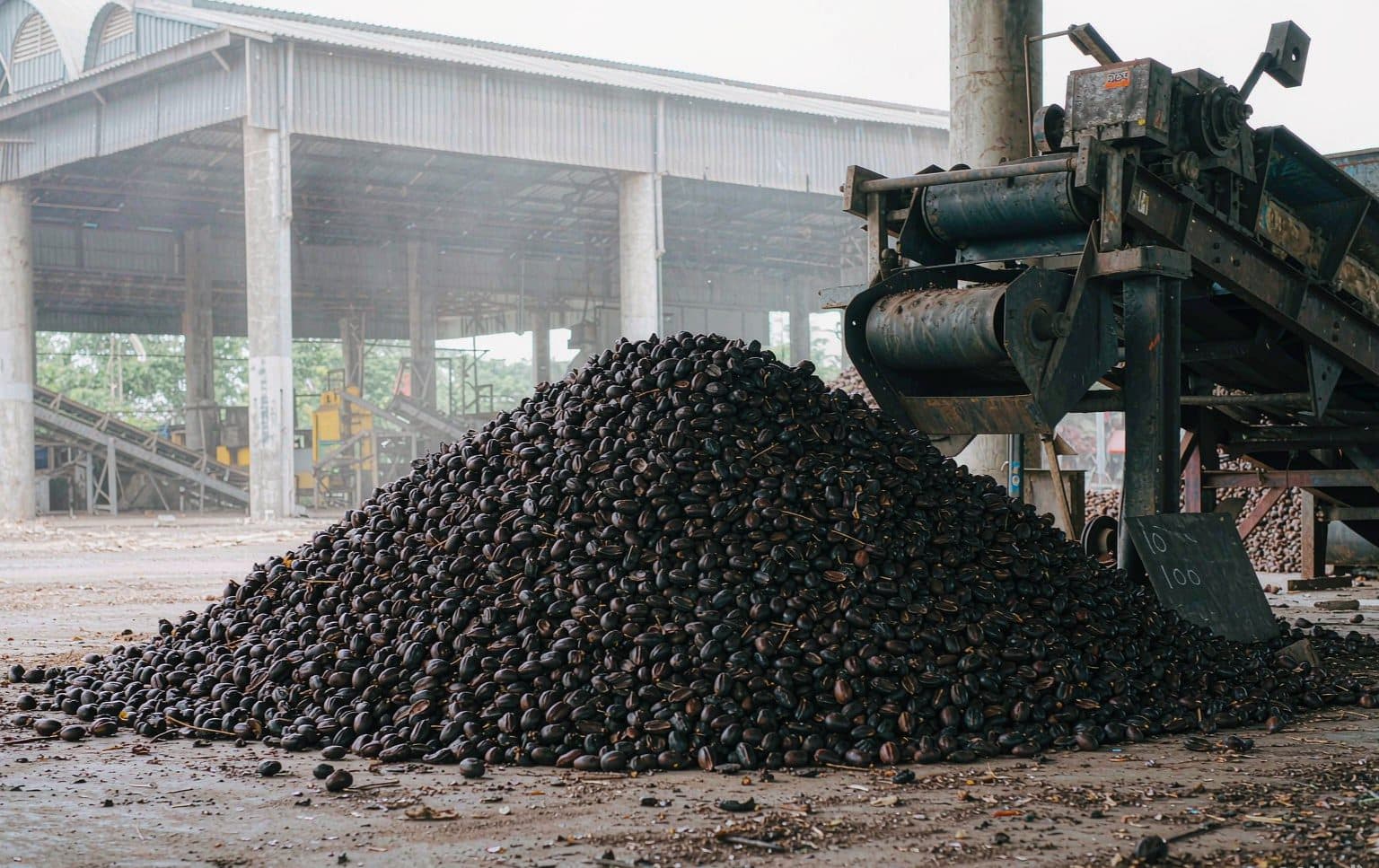
Palm kernel shell activated carbon line
Abundant across Indonesia and Malaysia, and harder to activate well than coconut. The two variables that decide whether your PKS carbon reaches 1,000 mg/g.
Pick the tonnage, then check the utilities
Every figure below is finished carbon. Double-check any quotation that quotes char feed — the difference is about 40%.
| Model | Finished carbon |
|---|---|
| HL-800 — 0.5 t/h | 12 t/day |
| HL-1200 — 1 t/h | 24 t/day |
| HL-1500 — 1.5 t/h | 36 t/day |
| HL-1800 — 2 t/h | 48 t/day |
| HL-2200 — 3 t/h | 72 t/day |
| Activation temperature | 850–950 °C |
| Residence time | 45–90 min |
| Steam consumption | 1.2–2.0 kg per kg char |
| Fuel options | Natural gas, LPG, diesel, biomass gas |
| Refractory | High-alumina castable, 1,600 °C class |
Most lines fail on the same three numbers
When a buyer compares two quotations for an activation furnace, the documents usually look identical: a tonnage, a temperature, a price. What differs is what happens in month four, when the kiln has been running continuously and the buyer's own laboratory starts sampling output every two hours.
Three numbers decide whether that sample passes. Temperature uniformity along the kiln shell — a 30 °C drift between zones quietly costs 40–60 mg/g of iodine value. Steam-to-char ratio — too little steam starves the reaction, too much burns product. And real residence time, which is not the same as the number printed on a nameplate once the kiln is loaded and the feed rate drifts upward.
Every line we build is specified against those three numbers first, and the tonnage is derived after. That is why we ask for your raw material and target iodine value before we send a price.
What we need before sizing a line
Four answers are enough to produce a real configuration and a real budget instead of a range.
- Raw material and its form — shell, charcoal or already-carbonized material, and the country of origin.
- Target finished tonnage per day, and how many hours per day the line will actually run.
- Finished specification — iodine value, methylene blue adsorption, ash, hardness, or the end application (water treatment, gold recovery, air filtration).
- Utilities available on site — steam pressure, gas or diesel, power supply, and whether a carbonization kiln already exists.
From inquiry to a running line
Day 0 — requirements and mass balance
We run your raw material through a yield chain and return a mass balance: tonnes of shell in, tonnes of char, tonnes of finished carbon out, plus the utilities the line will draw.
Day 3–7 — configuration and quotation
Model selection, refractory schedule, burner and steam system, automation level, spare parts list. Quoted line by line so you can compare against other offers.
Day 15–30 — drawings and foundation plan
General arrangement, load points, utility connection points and the foundation drawing your civil contractor needs.
Day 90–120 — manufacture, lining and dispatch
Shell fabrication, refractory casting with a logged dry-out curve, trial assembly, then export packing. Pre-shipment inspection is welcome, third-party included on request.
Day 120–145 — installation and commissioning
Our engineers supervise erection, cure the lining on a controlled curve, then run the kiln to specification with your operators on shift. Handover includes a signed performance sheet.
Rotary kiln or Slep furnace
Rotary activation furnace
- 0.5–3 t/h per unit, continuous
- One unit covers a full plant output
- Steam activation, no chemical reagent
- Suits uniform shell char feed
- Higher availability, fewer moving parts
- Turn-down to about 60% of design load
Slep (multiple-hearth) furnace
- 0.2–1 t/h per unit, continuous
- Needs several units to scale up
- Very tight residence-time control
- Tolerates wider feed-size distribution
- More mechanical layers and rabble arms
- Preferred for high-grade specialty carbon
The sizing trap worth checking on any quotation
Many offers quote tonnage on a raw-shell basis while the kiln is actually rated on char. A line sold as 2 t/h can deliver 1.1 t/h of saleable carbon once yield is applied. Ask every supplier one question: is this tonnage finished carbon or feedstock? The answer changes the price by 40%.
Lines that are running now
Achieved iodine value, availability, and the one thing we would change. No factory-tour photography.
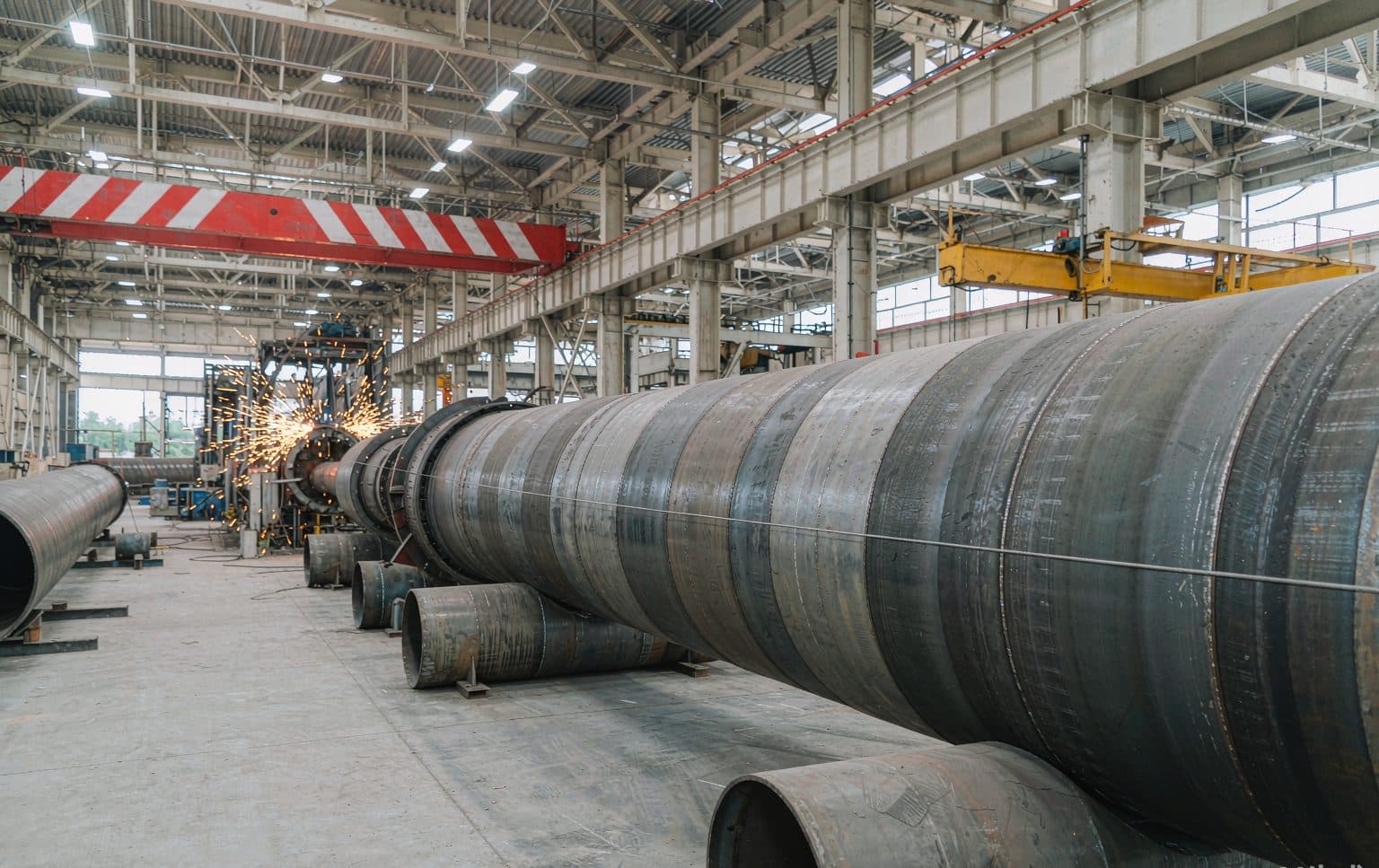
1 t/h hazelnut shell line, Türkiye — seasonal shell, campaign operation
A hazelnut processor with 4,000 t/year of shell that used to be sold as boiler fuel. The line runs in campaigns of 6–8 weeks rather than continuously, and was designed around that from the start.
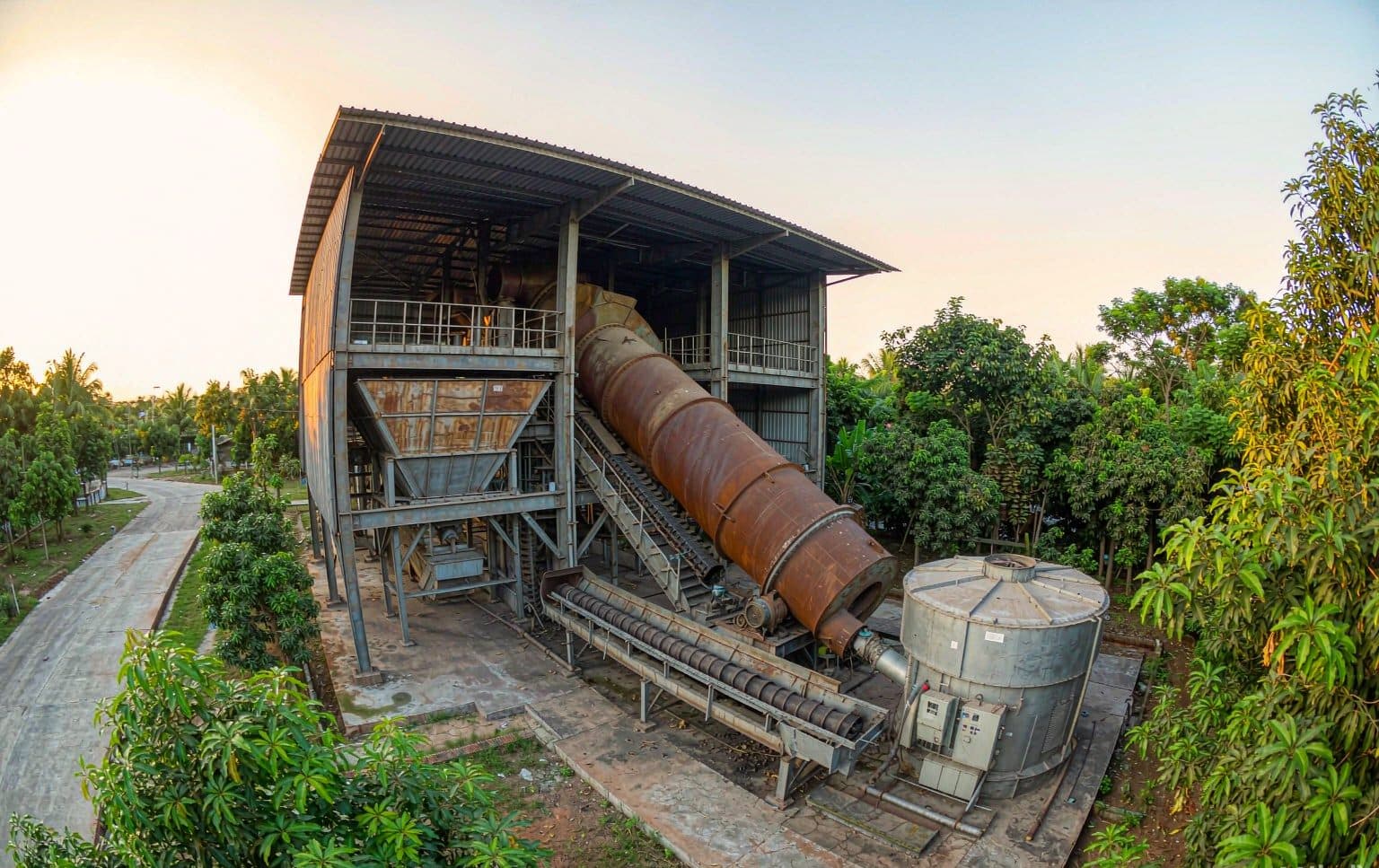
2 t/h coconut shell line, Sumatra — 1,050 mg/g at 94% availability
A charcoal trader moving downstream into activated carbon. No carbonization on site, so the whole project was sized on purchased char quality — which turned out to be the deciding variable.
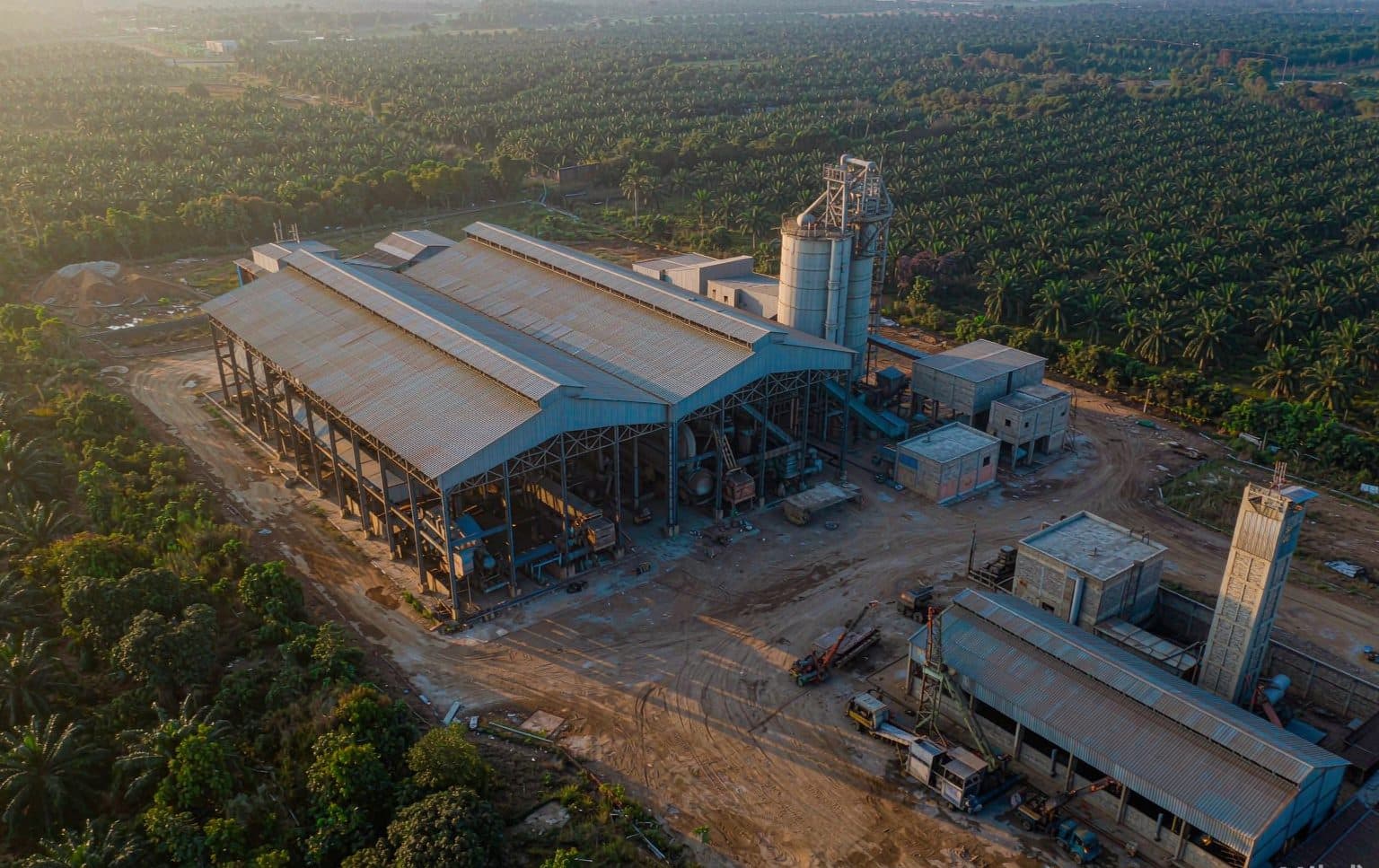
3 t/h palm kernel shell plant, Kalimantan — waste heat covers 46% of steam
A palm oil group using its own shell output. The furnace was the easy part; the project was really about heat integration and ash control.
The arithmetic behind the quotation
Written by the engineers who commission the kilns. No email gate, no lead form.
Coconut shell char landed at USD 470–560/t: what moved this quarter
Char is 45–55% of the cost of a tonne of activated carbon. Here is the current landed range into Henan and the three variables that will move it before December.
A 2 t/h rotary line left for Sulawesi: 11 days of loading, 24 of erection
What was in the 6 containers, why the refractory went in last, and the two design changes this project forced on the standard layout.
Steam vs chemical activation: which route fits your feedstock
Phosphoric acid gives higher yield at half the temperature. Steam costs more energy and returns a cleaner product. The choice is decided by your end market, not by the process.
Questions buyers ask before ordering
Straight answers with numbers. If yours is missing, send it over.
What does a 1 t/h rotary activation furnace cost?
How long is delivery and installation?
Can you supply the complete line, including carbonization?
Can an existing kiln be retrofitted instead of replaced?
Send the raw material, target tonnage and finished spec. You get a configuration, a utility schedule and a budget range — not a brochure.