Activation furnaces — four types, one job
Rotary kilns, shaft furnaces, carbonization kilns and complete lines. Which one is right depends on your raw material and the form of carbon your buyer wants.
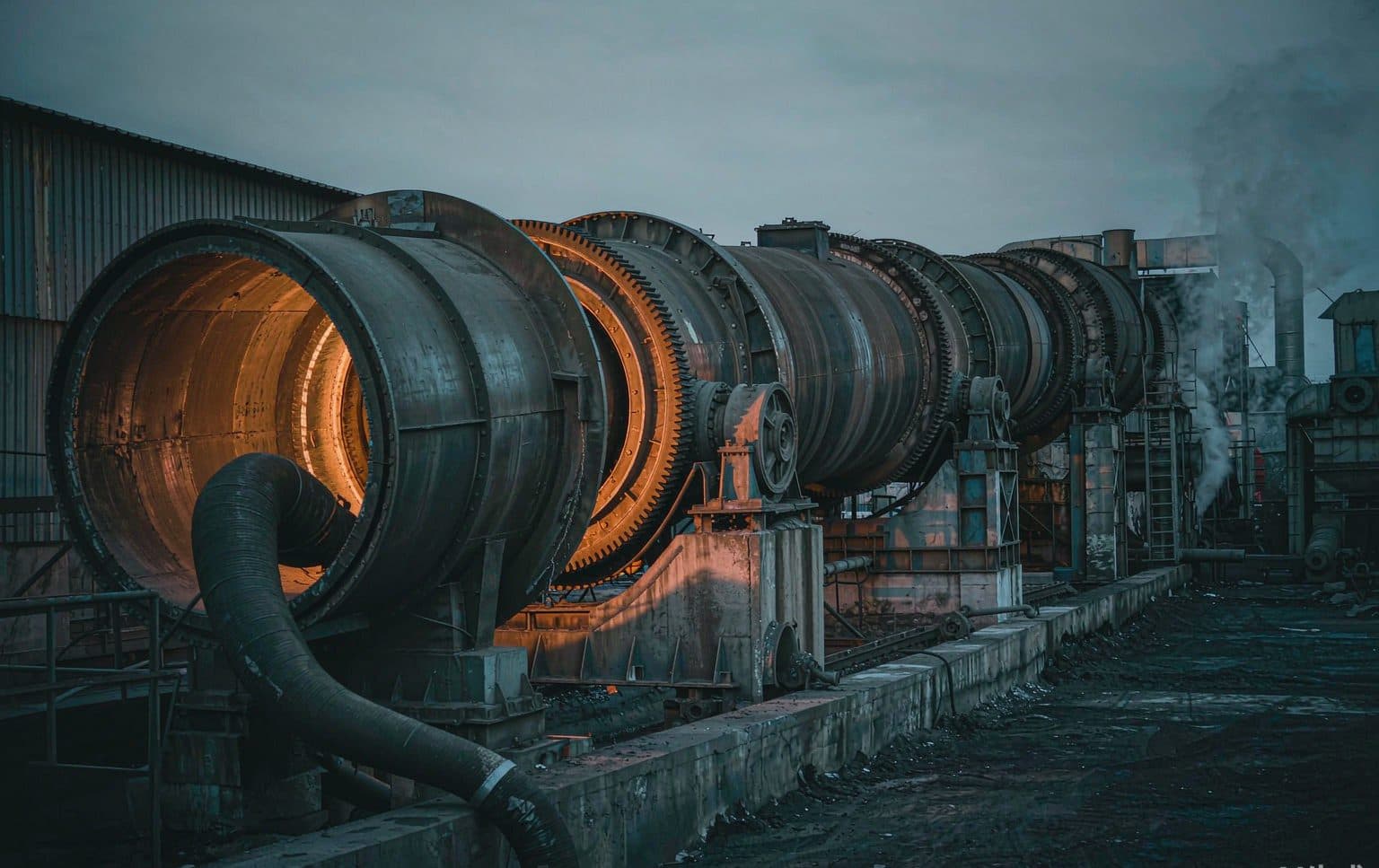
Rotary activation furnace
A three-zone refractory shell, variable-speed drive and indirect hot-gas jacket that hold iodine value within ±30 mg/g across a full shift, on shell char from 2 mm to 12 mm.
Shaft (Slep) furnace
A gravity-fed vertical furnace with three independently fired zones. The charge never tumbles, so a 12 mm coconut granule leaves the discharge still 12 mm — and typically 40–60 mg/g higher in iodine value than the same char run through a rotary kiln.
Carbonization furnace
Oxygen-deficient pyrolysis at 450–550 °C that turns shell into char at 28–34% yield, and burns its own volatiles to hold the temperature. Get this stage wrong and no activation furnace downstream can fix it.
Complete activated carbon line
Seven stages under one design: drying, carbonization, activation, washing, drying, screening and packing. One supplier, one performance figure, one number to call when something drifts.
Which activation furnace do I need? Rotary, shaft, fluidized bed or multiple hearth
Four furnace types do the same chemical job and produce four different products. The choice is decided by three inputs — raw material, target product form, and tonnage — not by which one is technically superior.
Send the raw material, target tonnage and finished spec. You get a configuration, a utility schedule and a budget range — not a brochure.